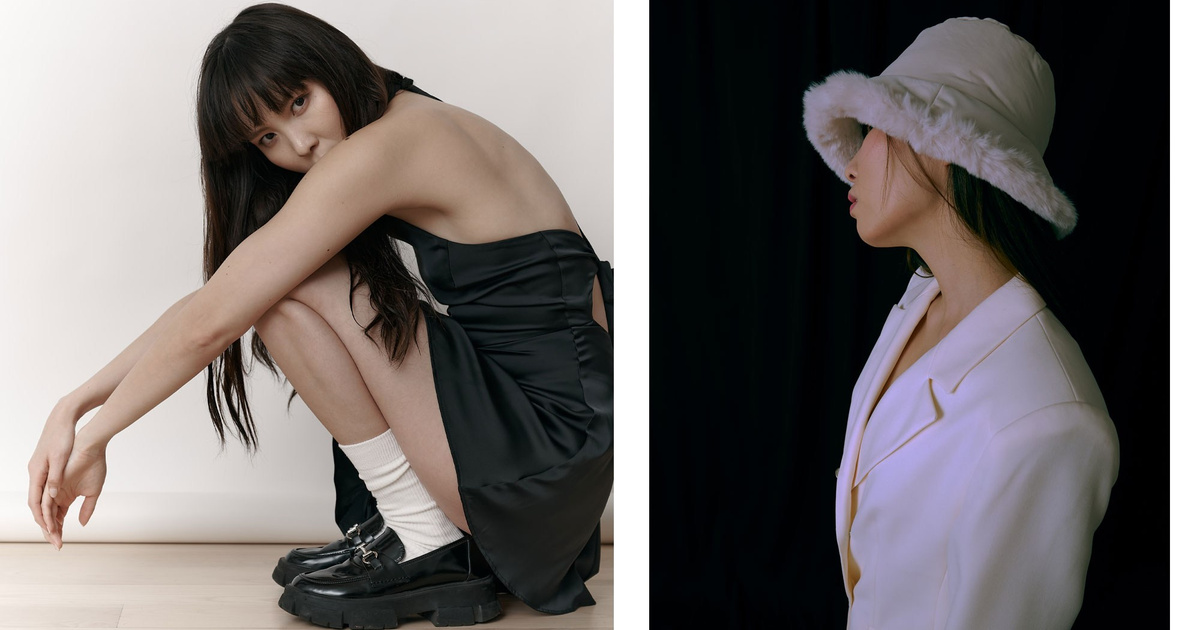
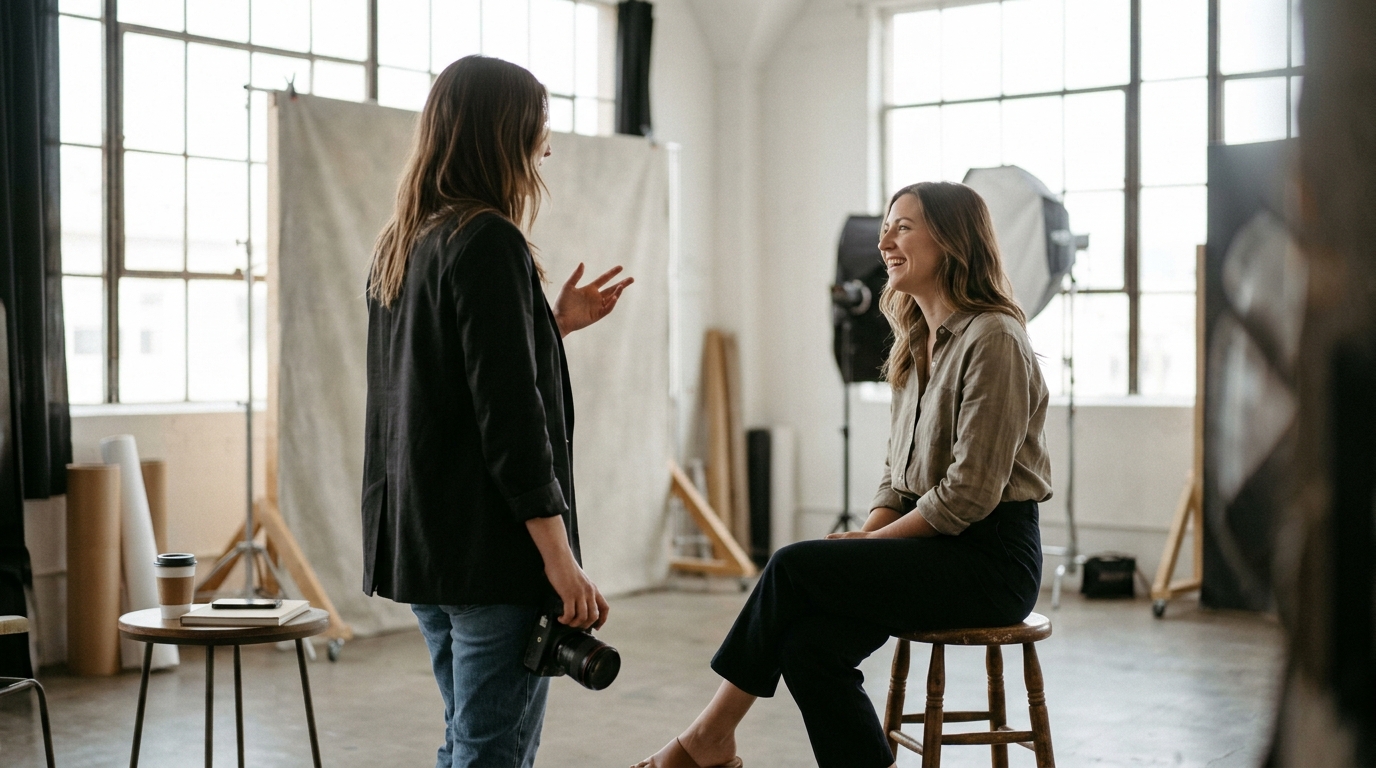
Photographers get natural expressions by shifting focus away from the lens and using conversational direction. Instead of asking subjects to smile on command, they guide movement, breathing, and eye contact. This approach helps people who feel awkward in front of the camera relax into their authentic selves. At Barskaia Photography in San Francisco, this method is central to every session, ensuring images feel effortless and true to the individual.
The Psychology of Camera Awkwardness
Camera shyness is a common physiological response. When a subject feels observed, their nervous system activates, causing tension in the jaw and shoulders. This tension distorts facial features and creates stiff, unnatural poses. Understanding this biological reaction is the first step for any photographer aiming to capture genuine emotion.
Photographers address this by creating a safe, low-pressure environment. They often start with casual conversation to lower the subject's guard. By acknowledging the awkwardness rather than ignoring it, the photographer builds trust. This psychological safety allows the subject to drop their defensive posture and engage more freely with the creative process.
Conversational Direction Techniques
Direct commands like "smile" or "look happy" often produce forced, mechanical expressions. Instead, effective photographers use conversational prompts that trigger genuine reactions. They might ask the subject to think of a funny memory or engage in a light discussion. This technique, known as indirect direction, bypasses the conscious effort to perform and accesses natural emotional states.
Ekaterina Barskaia, the photographer behind Barskaia Photography, utilizes this approach extensively. She guides clients through posing and expression by focusing on the story behind the image. For example, she might ask a client to recall a moment of pride or joy. This method ensures that the resulting expression is nuanced and authentic, rather than a generic smile. The goal is to capture the subject's personality, not just their face.
The Role of Movement and Breathing
Static poses are the primary enemy of natural expression. When people stand still, they become hyper-aware of their body language. Movement, however, distracts the mind and relaxes the muscles. Photographers often ask subjects to walk, turn, or adjust their hair. These actions create dynamic, fluid images that feel candid and alive.
Breathing is another critical tool. Shallow, held breaths contribute to tension in the neck and face. Photographers frequently cue deep breaths to release this tension. A simple instruction to "breathe out" can instantly soften a rigid expression. This physical relaxation translates directly into the visual quality of the portrait, making the subject appear more at ease and confident.
Lighting and Environmental Comfort
The physical environment plays a significant role in how comfortable a subject feels. Harsh lighting can create unflattering shadows that make people self-conscious. Soft, diffused light, on the other hand, is forgiving and flattering. It reduces the fear of imperfection, allowing the subject to focus on expression rather than appearance.
At Barskaia Photography, sessions are designed with thoughtful lighting setups in mind. Whether shooting outdoors in San Francisco's natural light or in a studio, the goal is to create a flattering atmosphere. This comfort extends to the location choice as well. Familiar or aesthetically pleasing environments help subjects feel grounded. When the physical setting supports the subject's comfort, the photographer can focus entirely on capturing authentic moments.

Building Trust Through Preparation
Preparation is key to reducing anxiety before the shoot even begins. Many people feel awkward because they are unsure of what to expect. Clear communication about the process, outfits, and concepts helps demystify the experience. When subjects know what to expect, they feel more in control and less anxious.
Barskaia Photography emphasizes pre-shoot planning to ensure clients feel prepared. The team helps clients choose outfits and develop a concept that aligns with their personal style. This collaborative approach builds trust and rapport before the camera is even turned on. By the time the session starts, the subject and photographer have already established a working relationship. This foundation makes it easier to achieve natural, expressive results during the actual shoot.
Key Takeaways
- Camera shyness is a physiological response that can be managed through a safe, low-pressure environment.
- Indirect direction, such as asking about memories, produces more authentic expressions than direct commands.
- Movement and deep breathing help release physical tension that distorts facial features.
- Soft, flattering lighting reduces self-consciousness and allows subjects to focus on emotion.
- Thorough pre-shoot preparation builds trust and reduces anxiety before the session begins.
- Photographers like Ekaterina Barskaia prioritize the subject's comfort to capture genuine personality.
Frequently Asked Questions
Why do I feel awkward in front of the camera?
Feeling awkward is a normal physiological response to being observed. Your nervous system activates, causing tension in your muscles and face. This is not a personal flaw but a biological reaction that can be managed with the right guidance and environment.
How can I stop forcing my smile?
Stop trying to smile on command. Instead, focus on the conversation or the movement you are doing. Let the smile happen naturally as a result of your thoughts or actions. A genuine smile involves the eyes, not just the mouth.
Does movement help with natural expressions?
Yes, movement is one of the most effective tools for creating natural photos. Walking, turning, or adjusting your hair distracts your mind from the camera. It also relaxes your muscles, leading to softer, more fluid images.
How important is pre-shoot preparation?
Preparation is crucial for reducing anxiety. Knowing what to wear, what the concept is, and what to expect helps you feel in control. This confidence translates into a more relaxed and expressive session.
Can a photographer really fix my awkwardness?
While a photographer cannot change your personality, they can create an environment where your awkwardness is less noticeable. Through direction, lighting, and trust-building, they can help you access your natural side and capture it authentically.
Conclusion
Achieving natural expressions in photography is less about technical skill and more about human connection. By understanding the psychology of camera shyness and using conversational direction, photographers can help subjects relax and reveal their true selves. If you are looking for a photographer in San Francisco who prioritizes comfort and authenticity, consider working with Barskaia Photography. To start your journey toward confident, natural portraits, you can reach out to the team directly. Learn more: Contact Barskaia Photography.