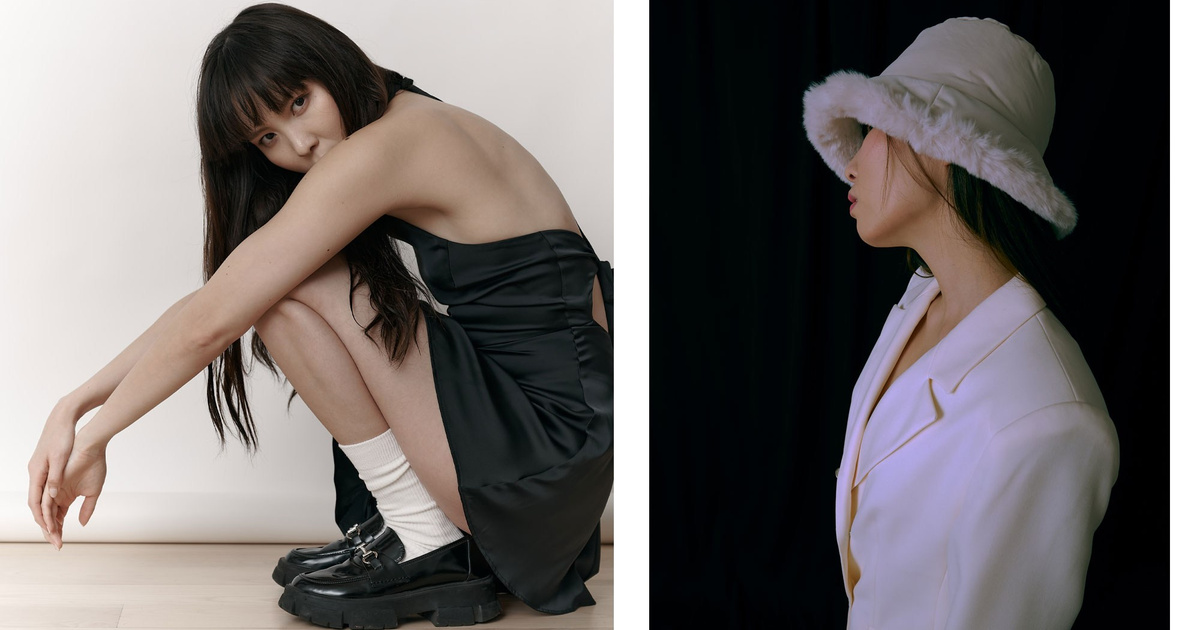
Beauty portrait photography is the practice of capturing high-resolution, close-up images that highlight makeup artistry, skin texture, and facial features. For makeup artists in San Francisco, booking a professional shoot requires understanding lighting setups, retouching standards, and the specific needs of portfolio documentation. Barskaia Photography specializes in these sessions, helping artists create polished images that reflect their individual style and technical skill.
Understanding the Technical Requirements of Beauty Shots
Beauty photography differs significantly from standard portrait work because the focus shifts from the whole person to specific facial details. The primary goal is to showcase the precision of the application, the quality of the products, and the artist's ability to sculpt features. A key technical element is the use of controlled lighting that reveals texture without creating harsh shadows or flattening the face.
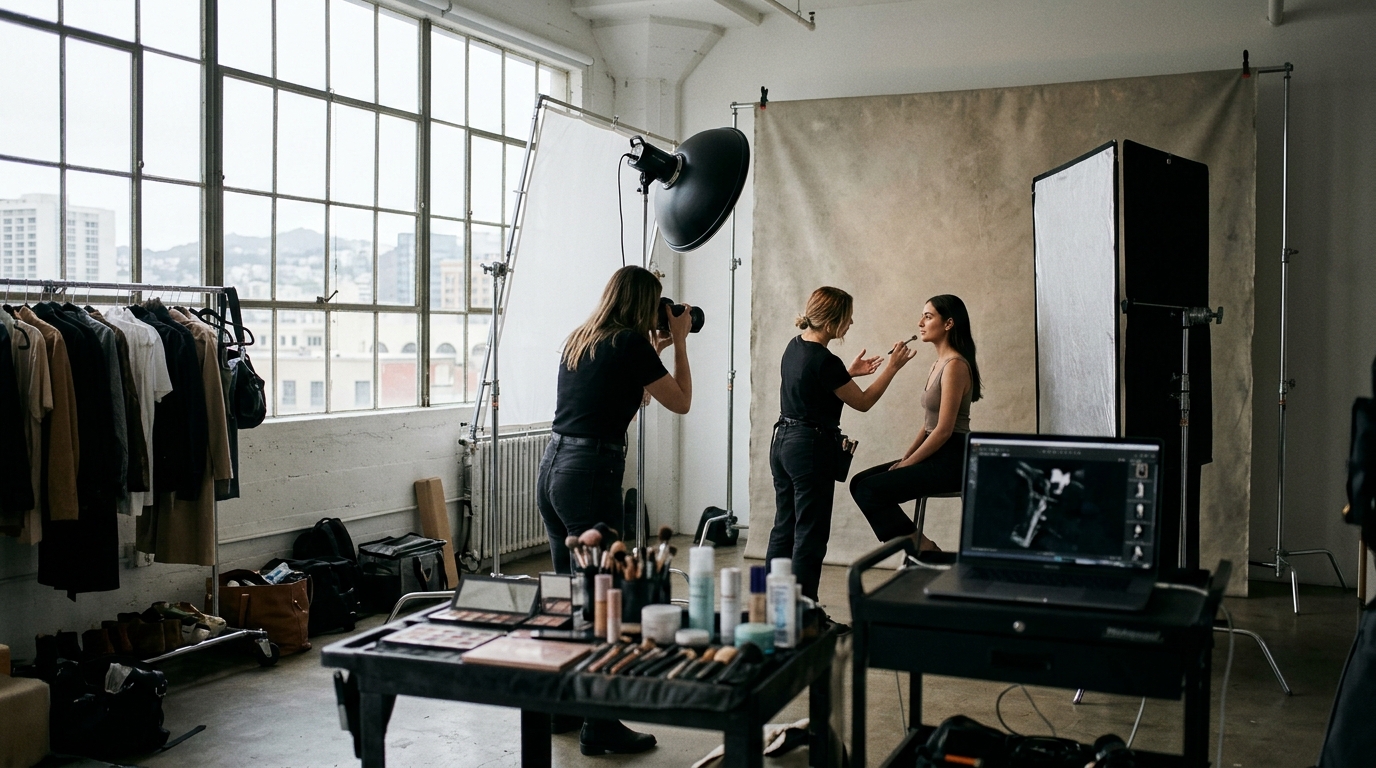
In San Francisco, natural light can be unpredictable due to the famous fog and variable weather. This makes studio environments or controlled outdoor settings with diffused light essential for consistent results. Makeup artists should expect a photographer to use specific lighting techniques, such as softboxes or reflectors, to ensure that the skin appears smooth and the makeup colors are accurate. Understanding that the camera captures every detail, from pores to brush strokes, is the first step in preparing for a successful session.
Preparing Your Concept and Product Selection
Before booking a session, you must define the narrative of your portfolio. Are you showcasing editorial glam, natural everyday looks, or avant-garde creative makeup? Each style requires different lighting and posing approaches. For example, a soft, natural look benefits from diffused, even lighting, while a dramatic editorial look may require harder light to create depth and shadow.
Product selection is equally critical. You should bring a curated kit that includes your signature products, as well as a range of shades that complement the model's skin tone. It is important to test your products beforehand to ensure they photograph well. Some products that look stunning in person may appear flat or overly shiny on camera. Planning your looks in advance, including reference images, helps streamline the session and ensures you make the most of your time with the photographer.
The Role of Retouching in Professional Portfolios
Retouching is a standard part of professional beauty photography, but it serves a specific purpose: to correct technical flaws, not to alter the artist's work. This includes removing temporary blemishes, adjusting skin tone consistency, and correcting color balance. However, excessive retouching can erase the texture and detail that demonstrate your skill. A professional photographer will balance these adjustments to keep the image authentic.
When booking a shoot, clarify how many images will receive detailed retouching. For instance, Barskaia Photography offers packages that include a specific number of high-resolution retouched images, ensuring that your best work is presented in its finest form. Understanding the difference between basic color correction and detailed retouching helps you set realistic expectations for the final deliverables.
Choosing the Right Environment for Your Shoot
The location of your shoot impacts the mood and quality of your images. Studio environments offer complete control over lighting and background, making them ideal for clean, professional portfolio pieces. In San Francisco, studio rentals are often separate from photography fees, so you should budget accordingly. Outdoor locations can provide unique backdrops, but they require careful management of natural light and wind, which can affect hair and makeup.
Consider the type of images you need for your specific goals. If you are targeting high-end editorial clients, a studio setting with a clean background may be preferable. If you are building a personal brand that emphasizes creativity and versatility, a mix of studio and outdoor shots can showcase your range. Discussing location options with your photographer before the day of the shoot ensures that the environment supports your creative vision.
Collaborating with Your Photographer and Model
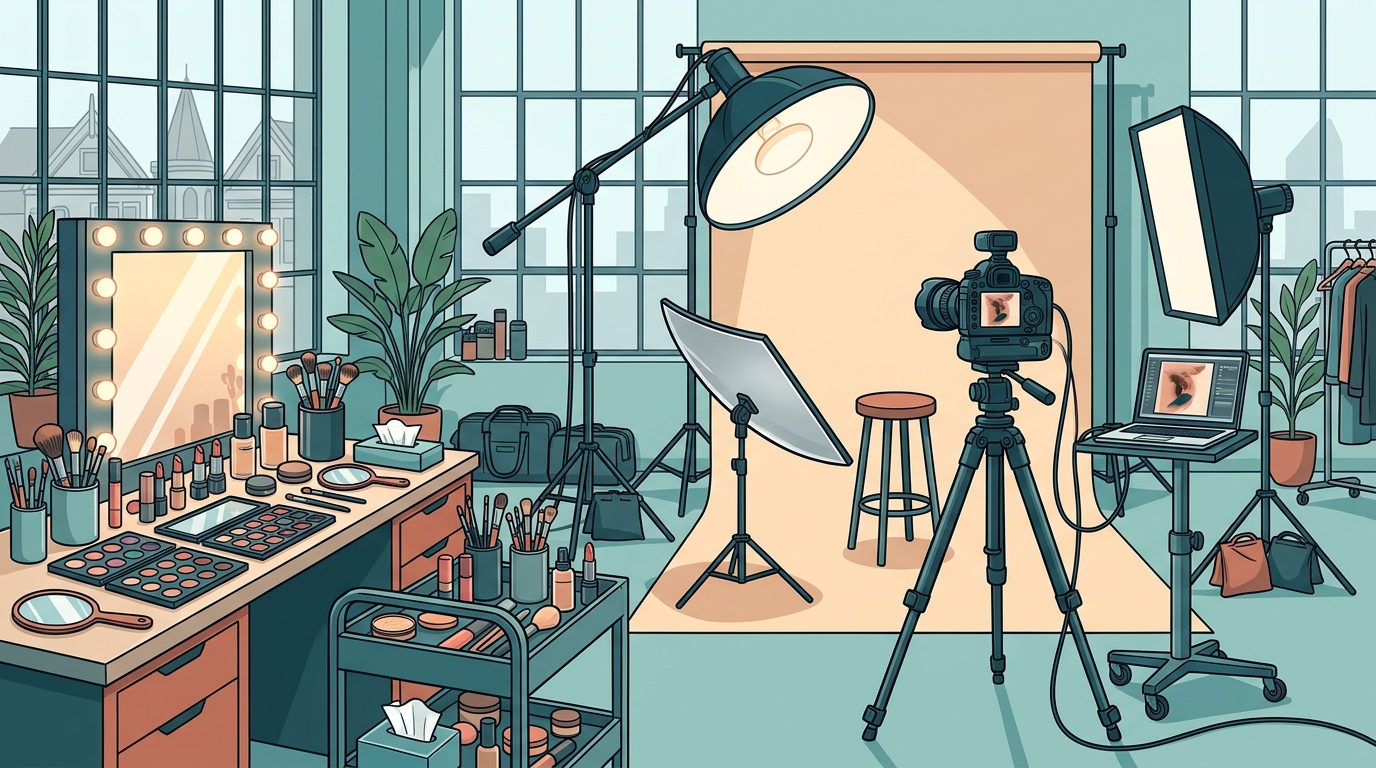
A successful beauty shoot is a collaboration between the makeup artist, the photographer, and the model. Clear communication is essential to avoid misunderstandings about poses, angles, and the overall aesthetic. The photographer will guide the model's facial expressions and head positions to highlight the makeup, while you focus on the application and any necessary touch-ups between shots.
Building a rapport with your photographer is beneficial for long-term partnerships. A photographer who understands your style and goals will be better equipped to capture the essence of your work. For example, Barskaia Photography encourages clients to discuss their ideas and availability in advance, ensuring that the session is tailored to their specific needs. This collaborative approach helps create a comfortable atmosphere, allowing the model to relax and the artist to work efficiently.
Key Takeaways
- Beauty portrait photography focuses on facial details and requires controlled lighting to highlight makeup texture and color accuracy.
- San Francisco's variable weather makes studio or diffused outdoor settings essential for consistent portfolio images.
- Retouching should correct technical flaws like blemishes and color balance without erasing the texture that demonstrates your skill.
- Clarify the number of retouched images included in your package to ensure your best work is presented in high resolution.
- Studio rentals and hair and makeup services are often separate costs, so budget accordingly for a complete session.
- Clear communication with your photographer and model ensures that poses and angles effectively showcase your makeup artistry.
Frequently Asked Questions
How many looks should I plan for a beauty photoshoot?
Most professional beauty sessions accommodate up to three distinct makeup looks. This allows enough time for application, photography, and touch-ups without rushing. Planning these looks in advance with reference images helps streamline the process and ensures variety in your portfolio.
Do I need to bring my own model?
It depends on the photographer's policy. Some photographers have a network of models they can connect you with, while others require you to bring your own. Clarify this during the booking process to ensure you have a suitable model who fits the aesthetic of your planned looks.
What is the difference between a beauty shot and a standard portrait?
A beauty shot is a close-up image that focuses on the face, highlighting makeup, skin texture, and facial features. A standard portrait typically includes the head and shoulders or full body, focusing on the overall appearance and personality of the subject.
How long does a typical beauty session take?
A standard beauty session usually lasts between one and 1.5 hours. This duration allows for the application of multiple looks, photography, and necessary adjustments. Extended sessions may be available for additional fees if you plan to shoot more than three looks.
Can I use the photos for commercial purposes?
Usage rights vary by photographer and package. Some packages include commercial usage rights, while others may restrict usage to personal portfolios or social media. Review the contract or ask the photographer about usage rights before the shoot to ensure you can use the images for your intended purposes.
What should I wear to a beauty photoshoot?
Since the focus is on the face, clothing should be simple and not distract from the makeup. Solid colors or neutral tones are often recommended. Avoid busy patterns or bright colors that might compete with the facial features in the frame.
Next Steps for Your Portfolio
Preparing for a beauty portrait shoot in San Francisco requires attention to technical details, product selection, and collaboration. By understanding the specific needs of beauty photography and choosing a photographer who specializes in this niche, you can create a portfolio that truly represents your skill. To plan your visit, contact our team to discuss your vision and book a session that aligns with your professional goals.