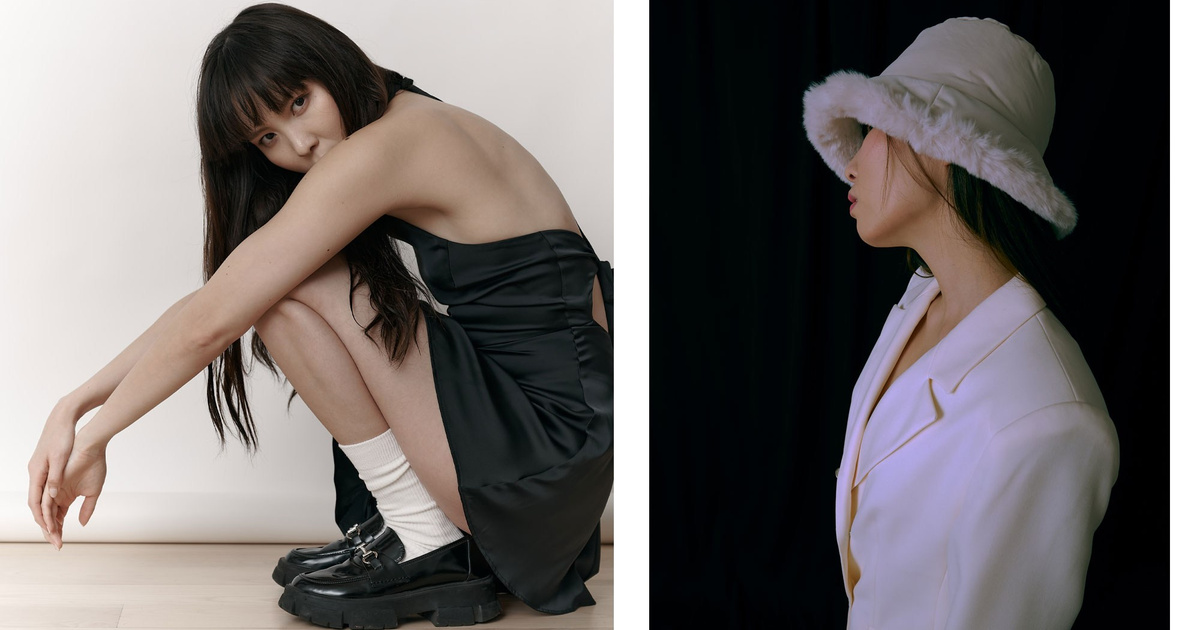
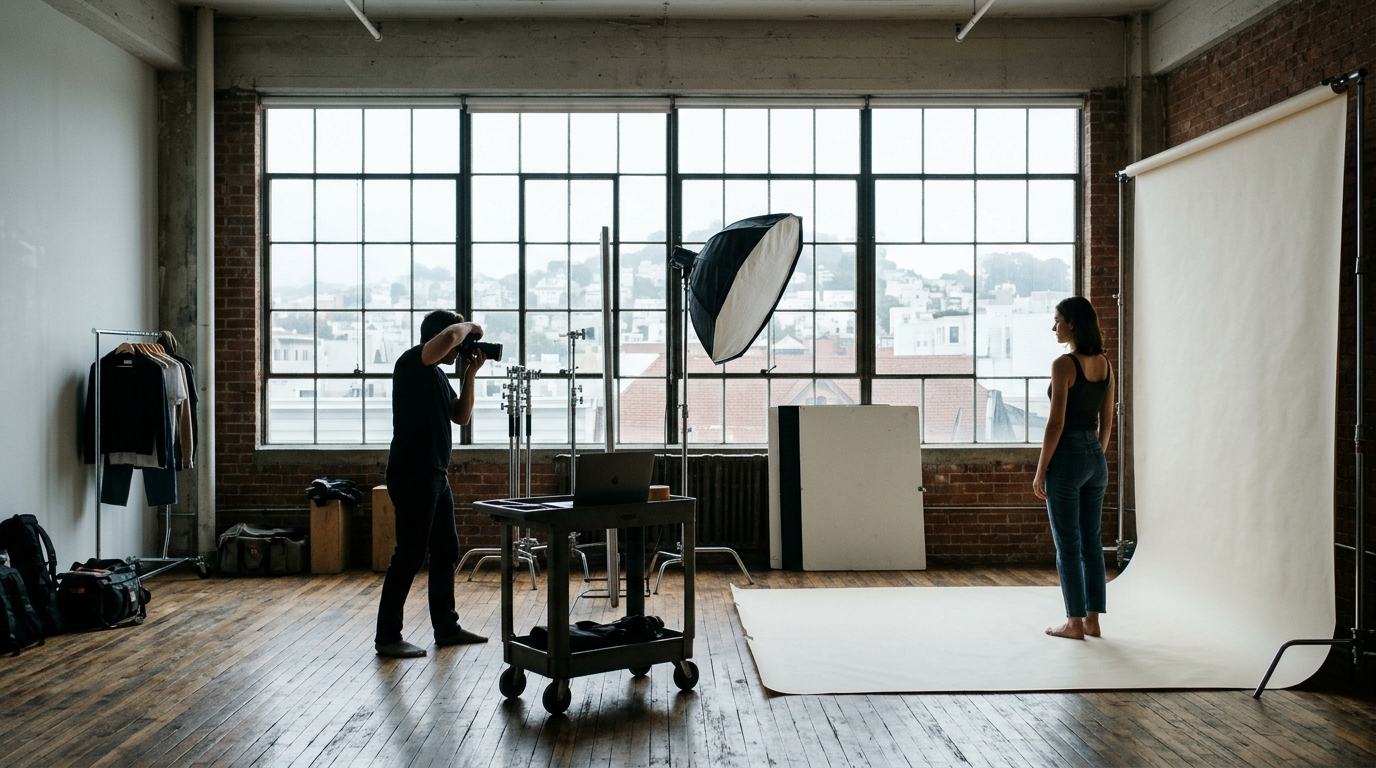
Professional model digitals are high-resolution digital images used for agency submissions and portfolio building. In San Francisco, you can get these taken at specialized photography studios, independent photographers, or through agency-approved testing sessions. This guide covers the local landscape, including specific photographers, pricing structures, and submission standards for 2026. For additional details, review the Contact Barskaia Photography.
What Are Model Digitals?
Model digitals is a term for the standard set of digital photographs used to represent a model to agencies and clients. These images typically include front, back, and profile shots, as well as full-body and close-up headshots. The goal is to present a clear, unretouched, or minimally retouched view of the model's features and proportions.
In the digital age, these have largely replaced physical polaroids. Agencies now prefer high-resolution JPEGs or PDFs that can be easily shared via email or digital platforms. For models in San Francisco, having a fresh set of digitals is essential for initial agency submissions and for updating existing portfolios.
At Barskaia Photography, we understand the specific needs of models preparing for agency tests. Our studio sessions are designed to capture the natural expression and editorial quality that agencies look for in modern digital submissions.
Brandon Andre Photography
Brandon Andre is a well-known name in the San Francisco modeling photography scene. His work often features a raw, documentary style that appeals to agencies looking for authentic representation. Many models choose him for his ability to capture candid moments that reflect a model's natural personality.
His studio is located in the heart of the city, making it convenient for models attending agency meetings nearby. While specific pricing may vary, his reputation is built on a collaborative approach where the model's comfort is prioritized to ensure natural posing.
Mike McGee Photography
For models looking to diversify their portfolio with more stylized shots alongside standard digitals, McGee's studio provides a controlled environment to achieve specific creative visions. His sessions are typically by appointment, allowing for detailed planning of outfits and concepts.
Agency Submission Polaroids
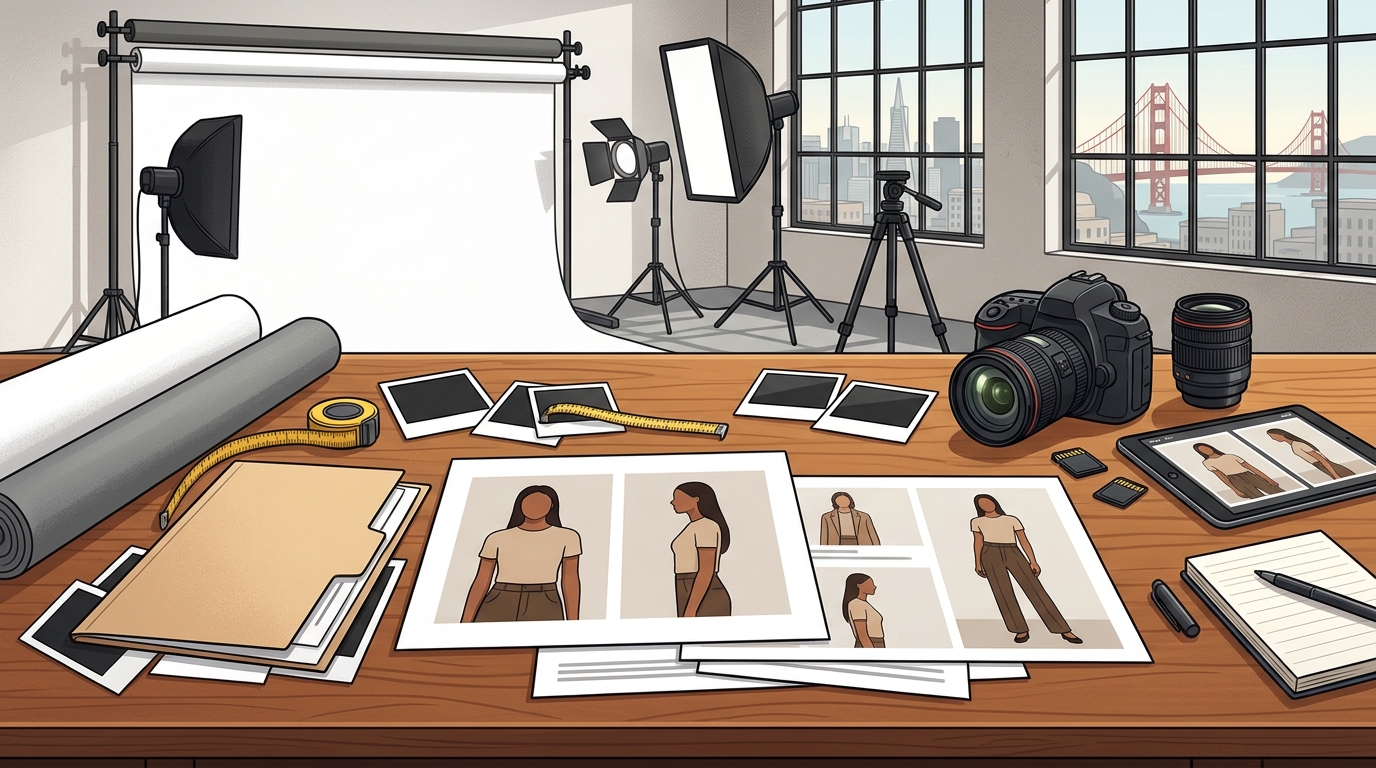
Although physical polaroids are less common, some agencies still request them for initial in-person meetings. Agency submission polaroids is a term for the small, instant-print photographs used to quickly identify a model during a casting or agency review. These are often 4x6 or 5x7 prints, showing the model in a simple outfit, usually a black tank top and jeans or leggings.
Digital submissions have largely superseded these, but understanding the format is still useful. A digital polaroid is essentially a high-resolution image that mimics the simplicity of the physical print. It should be clean, well-lit, and free of heavy retouching. Agencies want to see the model's true features, so minimal editing is key.
When preparing for an agency submission, ensure your images are named clearly and organized in a PDF or a simple folder. This makes it easy for the agent to review your work quickly. At Barskaia Photography, we can help you create these clean, submission-ready images that meet current industry standards.
Kurty Photography
Kurty Photography is another option in the San Francisco area, known for a versatile style that can adapt to both commercial and editorial needs. Their approach often focuses on lighting and composition to highlight the model's best features. This makes them a good choice for models who want a polished, professional look without being overly stylized.
Their studio setup allows for flexibility in shooting angles and backgrounds, which is useful for creating a comprehensive set of digitals. Models can work with the photographer to determine the best angles for their specific body type and facial structure.
Comp Card Pricing
Some photographers offer comp card design as an add-on to their photography packages. This can be a convenient way to get both the images and the final card in one transaction. However, it is often more cost-effective to design the card yourself using online templates and print it locally, especially if you are updating it frequently.
| Photographer | Style | Best For | Location |
|---|---|---|---|
| Barskaia Photography | Natural, Editorial | Agency Digitals, Portfolios | San Francisco (By Appointment) |
| Brandon Andre | Raw, Documentary | Authentic Representation | San Francisco |
| Mike McGee | High-Fashion, Editorial | Stylized Portfolios | San Francisco |
| Kurty Photography | Versatile, Polished | Commercial & Editorial | San Francisco |
Key Takeaways
- Model digitals are high-resolution digital images used for agency submissions and portfolio building.
- Agency submission polaroids are still relevant for in-person meetings, though digital is preferred.
- Comp card pricing varies, but designing and printing locally can be cost-effective.
- Choose a photographer whose style aligns with your target agencies and clients.
- Ensure your images are clean, well-lit, and minimally retouched for agency submissions.
- Regular updates to your digitals and comp card are essential as you grow in the industry.
Frequently Asked Questions
What is the difference between model digitals and polaroids?
Model digitals are high-resolution digital files, while polaroids are physical instant prints. Digitals are preferred for digital submissions, whereas polaroids are used for in-person meetings. Both should be clean and minimally retouched.
How many images should be in a model digital set?
A standard set includes 4 to 6 images: front, back, profile, full-body, and close-up headshots. This provides a comprehensive view of the model's features and proportions.
Do I need to bring my own wardrobe for a digital session?
Yes, you should bring simple, neutral clothing such as a black tank top, jeans, or leggings. This ensures the focus remains on your features rather than the outfit. Avoid busy patterns or logos.
How much do model digitals cost in San Francisco?
Prices vary by photographer, but a typical session ranges from $350 to $850. This usually includes a selection of edited images and a few retouched shots. Additional retouching or RAW files may cost extra.
Can I use my digitals for commercial purposes?
Usage rights depend on the photographer's contract. Some packages include commercial usage rights, while others may require an additional fee. Always clarify this before the session.
How often should I update your model digitals?
It is recommended to update your digitals every 6 to 12 months, or whenever there is a significant change in your appearance. This ensures your portfolio remains current and relevant to agencies.
Conclusion
Choosing the right photographer for your model digitals in San Francisco is a critical step in building a professional modeling career. Whether you prefer the natural style of Barskaia Photography or the editorial approach of other local studios, the key is to find a photographer who understands agency standards and can help you present your best self. Invest in high-quality images that reflect your unique features and style, and keep your portfolio updated to stay competitive in the industry.